Monday, July 31, 2006

Korea Green tea


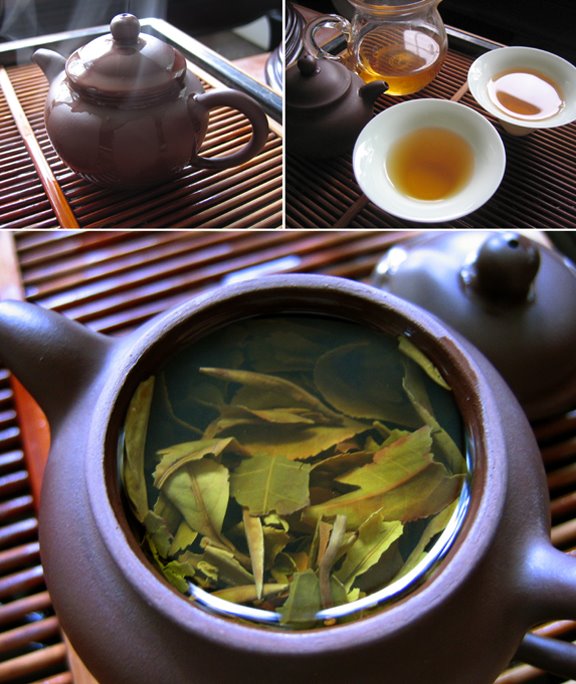
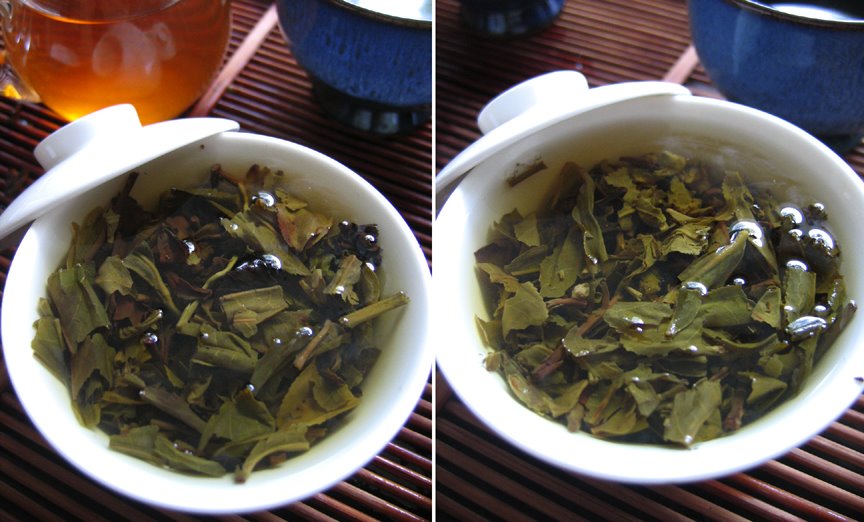
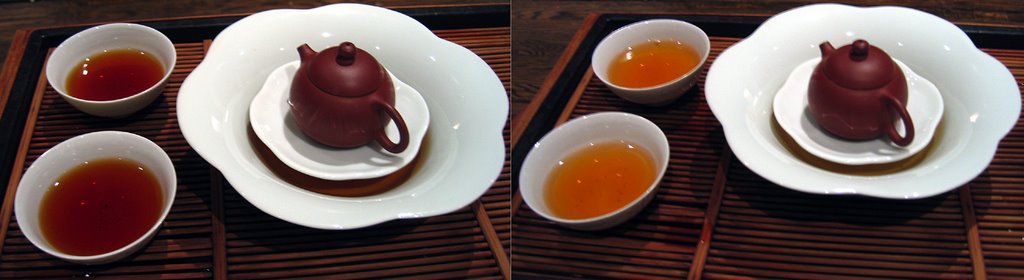
"Spring Under Heaven" Green April Harvest '06. From Ol Mun Tea House. Seoul.

Sunday, July 30, 2006

A Starting Point for my long adventure....


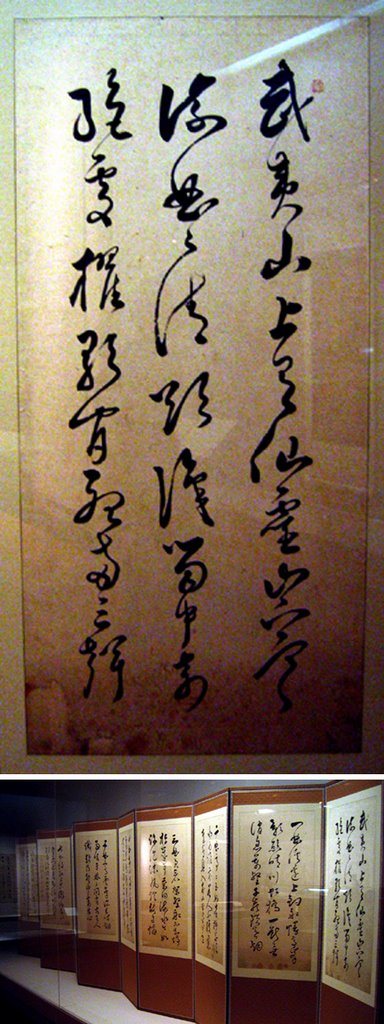
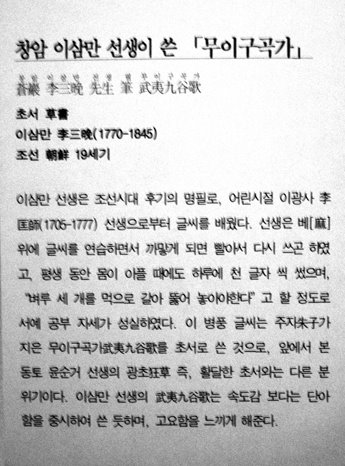
A 19 C. Choson Dynasty 9 Panels Calligraphy, written by Master Lee (1770-1845). Reflecting a sing/poem for the 9 valleys of Wuyi Mountain in Fujian. National Museum of Korea.

Thursday, July 06, 2006

A Darjeeling 1st Flush


A Gopaldhara Estate Darjeeling April '06 / 1st Flush. The most beautiful Darjeeling I have encountered....
Bouquet of Clover, jasmine, rose nectar, Champaign/ Muscatel like aroma, sweet and fragrant, smooth and with complexity. Sublime! No bites or bitterness compared to even a high grade Darjeeling. A Candy of High mountain India tea.

Experimenting on older bushes. This is still a developing specimen with Chinese tea making influence. Initial smell and taste like a Competition grade "Oriental Beauty". Pure Heaven. Infused 5 times!

Monday, July 03, 2006

Xiaguan 2006 Baoyan / Xiaguan 2005 Nan Zhao


Xiaguan 2006 Baoyan Mini-Beeng
Leaf:
Broken medium leave. Many long / medium stems. Machine pressed.
Heated Leaf aroma:
Smoky bacon / meaty.
Water temp: Crab/fish eye.
Infusion and ratio:
6g in 150ml gaiwan. brief rinse, 60s rests, 20s, 20s, 30s, 60s, 60s
Liquor color:
Medium clarity, golden pale green.
Flavor Notes:
Smoky, Medium pungent, mild body, flat finish.
Best Infusion: 2nd.
Cha Qi: lacking.
Overall:
A quiet/mild specimen. Commercial bing, low land machine harvested.
Age-ability: poor.
Would I buy this tea: No.

Xiaguan 2005 Nan Zhao raw beeng
Leaf:
Broken medium leave mixed with young leaves. Short small stems.
Heated Leaf aroma:
Mild Smoke, seaweed, grassy, corn.
Water temp: Crab/fish eye.
Infusion and ratio:
6g in 150ml gaiwan. brief rinse, 60s rests, 20s, 30s, 30s, 60s, 60s....
Liquor color:
Medium clarity, light amber golden.
Flavor Notes:
Grassy, medium tannis/pungent, seaweed-high mountain oolong character. Later steeping: Numbing lips, bitter sweet finish.
Floral. Medium body and good complexity. Cider wood, clean & sharp on tongue, moisturizing & sweet throat.
Best Infusion: 3rd onwards.
Cha Qi: Good and calming.
Overall:
My favorite so far beside the clarity! A high mountain harvest/semi-wild specimen? Great layers, not overwhelming but complex. Very enjoyable and relaxing. Could be aged better?
Age-ability: Good
Would I buy this tea: Yes. How much and which area?

2005 Menghai First Grade / Mengku Rongshi


Menghai 2005 First Grade Raw Bing
Leaf:
Small oily leaves, a young May harvest?
Heated Leaf aroma:
Sweet / smoky / hint of woody / oak.
Water temp: Crab/fish eye.
Infusion and ratio:
6g in 150ml gaiwan. brief rinse, 90 sec. rests, 15s, 20s, 20s, 30s, 60s
Liquor color:
Bright / Good clarity, light golden yellow with hint of green.
Flavor Notes:
Refreshing! Strong astringency, grassy, mild smoky, floral, medium sweetness, hint of fruit, bitter / minty aftertaste, light body, medium complexity. Strong tannis, consistent strength.
Best Infusion: 6nd infus. onwards to become smooth.
Cha Qi: Medium.
Overall:
Good active quality leaves. Flair Young buds. Very bitter mouth feel carry thru throat and aftertaste.
Age-ability: Good.
Would I buy this tea: Too young to judge. lack of complexity? A little too bitter because of Sun exposure? Should wait 3 years and see development.

2005 Mengku Rongshi Green Label Mini-Beeng
Leaf:
Young small/medium leaves. Machine pressed.
Heated Leaf aroma:
Mild sweet smoke / hint of wood-chip / camphor.
Water temp: Crab/fish eye.
Infusion and ratio:
6g in 150ml gaiwan. brief rinse, 90 sec. rests, 15s, 20s, 20s, 30s, 60s
Liquor color:
lacking clarity, light golden amber.
Flavor Notes:
Wood-chip. Mild stringency, veggie, lots of floral, medium sweetness, refreshing / cool aftertaste, long sweet finish with clean, cooling back of throat. Mild complexity/strength.
Best Infusion: 4th infus. less bites and sweet aftertaste.
Cha Qi: Medium.
Overall:
Smell smoky but no smoky taste. Good floral and lingering sweet cool aftertaste. Very pleasant young bing. Clarity problem.
Age-ability: flair.
Would I buy this tea: Too young to judge.If the floral faded in time, then what character will replace?

Sunday, July 02, 2006

2003 King Biscuit / 12 zodiacs mini


Dadugang King Tea Biscuit
Leaf:
Medium leaves.
Heated Leaf aroma:
Sweet / hints of flora / straw.
Water temp: Crab/fish eye.
Infusion and ratio:
6g in 150ml gaiwan. brief rinse, 60s rests, 15s, 20s, 30s, 30s, 60s
Liquor color:
Good clarity, golden yellow.
Flavor Notes:
Medium pungent and astringency, bamboo, light sweetness, hint of camphor, dry aftertaste, mild body, medium complexity / bitterness.
Best Infusion: 2nd infus.
Cha Qi: Medium but active.
Overall:
This was totally a different image I had then: http://cgi.ebay.com/ws/eBayISAPI.dll?ViewItem&item=4410717173
Good young leaves. Presentable. Question about storage? Too dry? For a 3 years old young leaves without mellowing down the astringency?
Age-ability: flair.
Would I buy this tea?: Maybe. If I have more background on tea area and factory.

Yunnan Fengqing Mini-Beeng 2003 "12 zodiacs"
Leaf:
Broken young medium, little meat, leaves.
Heated Leaf aroma:
Dairy / hints of flora / grassy.
Water temp: Crab/fish eye.
Infusion and ratio:
6g in 150ml gaiwan. brief rinse, 30s rests, 20s, 20s, 30s, 30s, 60s
Liquor color:
Cloudy golden pale yellow.
Flavor Notes:
Moderate astringency, creamy, hay, hint of camphor, minty, clean aftertaste, mellow round body.
Best Infusion: 5th infus.
Cha Qi: Mild.
Overall:
A Good and Mellow 3 years old. Like the creamy / dairy character a lot. Young tree, low land harvested?
Age-ability: flair.
Would I buy this tea?: No.

Friday, June 30, 2006

1999 Dadugand Yiwu / Mang Shi Melon


Dadugang 1999 Yiwu
Leaf:
Medium leaves, mostly whole, medium meat. drying by heated room.
Heated Leaf aroma:
Sweet / dried fruit.
Water temp: Crab/fish eye.
Infusion and ratio:
6g in 150ml gaiwan. brief rinse, 90s rests, 15s, 30s, 30s, 15s, 15s, 20s, 30s, 60s....
Liquor color:
Cloudy / golden yellow.
Flavor Notes:
Medium bitterness, chalky, mild flora and sweetness, and menthol, hint of camphor, woody hint of bamboo flavor, drying mouth. mild body. medium complexity.
Best Infusions:
Starting at 5th-8th.
Cha Qi:
Mild, relaxing.
Overall:
Is there a storage problem? too cloudy to start. A cultivated specimen? On the delicate side for a Yiwu.
Age-ability:
OK. lack of liquor clarity.
Would I buy this tea?: No.

Mang Shi 1999 Dehong Melon
Leaf:
Small leaves, mostly dusty, dry storage.
Heated Leaf aroma:
Sweet / wheat grains / straw.
Water temp: Crab/fish eye.
Infusion and ratio:
6g in 150ml gaiwan. brief rinse, 60s rests, 15s, 15s, 20s, 20s, 30s, 30s, 60s, 60s....
Liquor color:
Clear golden yellow / small hint of brown.
Flavor Notes:
Refreshing, sweetness with bites, hint of smoke, straw, floral aftertaste, medium body. medium smooth complexity.
Best Infusions:
Starting at 3rd onwards.
Cha Qi:
Welcoming and present.
Overall:
Mine look too young for a 6 years old? Good easy drinking.
Age-ability:
Good.
Would I buy this tea?: No.

Saturday, June 24, 2006

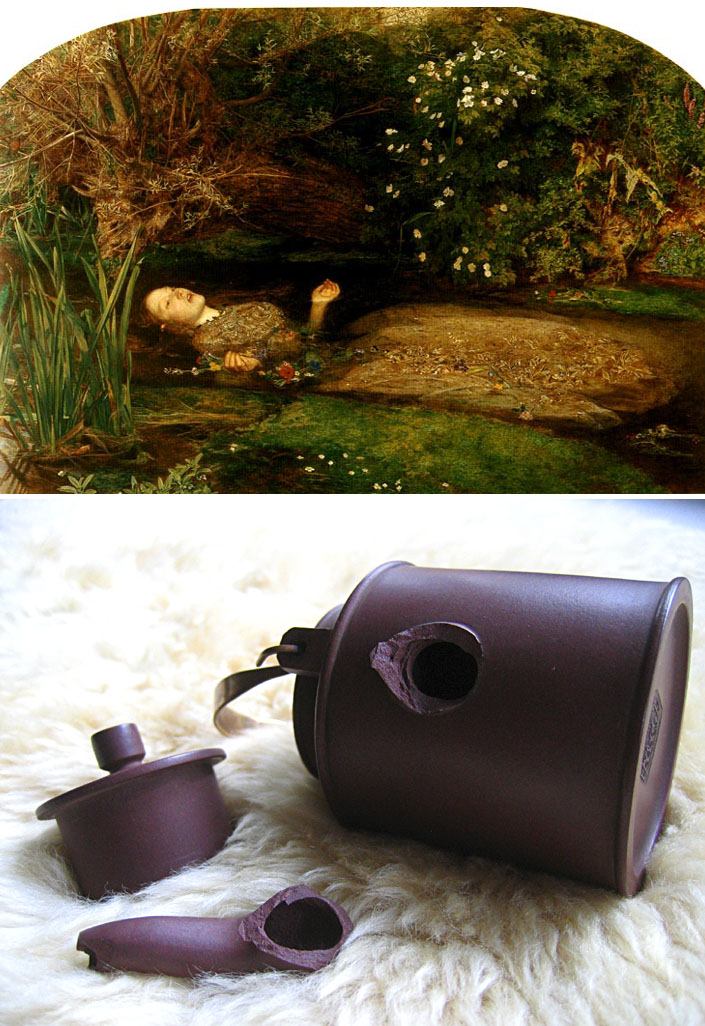
Befitting of a Shakespearian drama...


A Mid-Summer Stormy tragedy.... Final ending of Juliet.
This Evening, my beloved "Juliet" pot kissed the floor after a dramatic strangle with toki. All caused by a thunderstrike and a lightning bow.

Wednesday, June 21, 2006

Little-leaf puerh


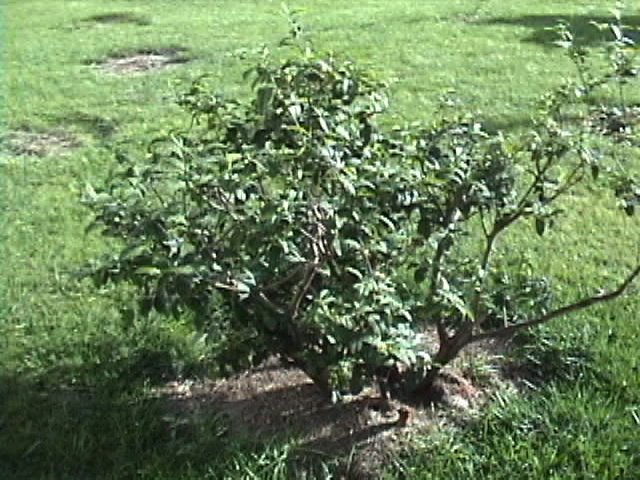
This is one of the small-leaf puerh specie highly priced and sought after in Yunnan - 小米香 ( Small Rice Fragrance). This 150 years + old tree is a rare specimen.

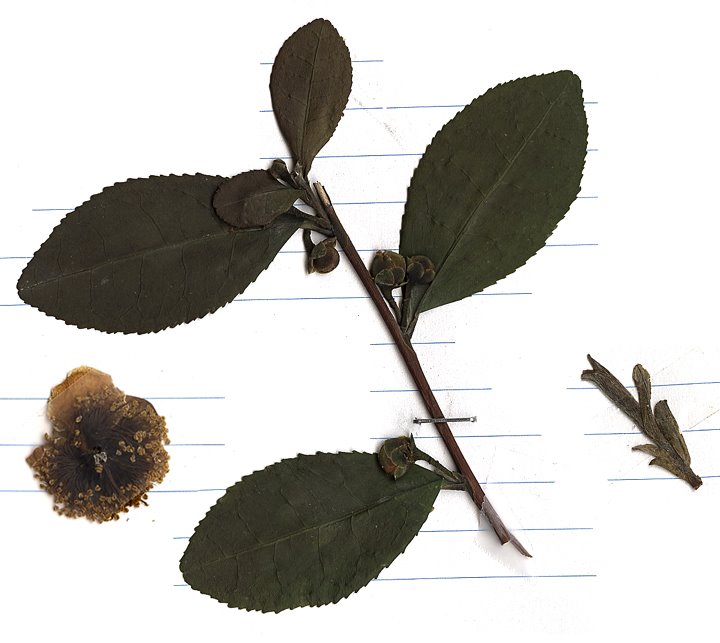
There are among 23 genera and 380 species of tea-producing plants - Camellia Sinensis in the world as of 1993, 15 genera and 260 species can be found in Yunnan including the prime site for the origin of tea trees. In 1990, China's first preservation nursery for big-leaf varieties was set up in Yunnan, where 607 big-leaf tea trees are being preserved.

Thursday, June 15, 2006

Shi Feng '06


After 3 months searching for a decent Shi-Feng, the winner is a medium grade specimen.
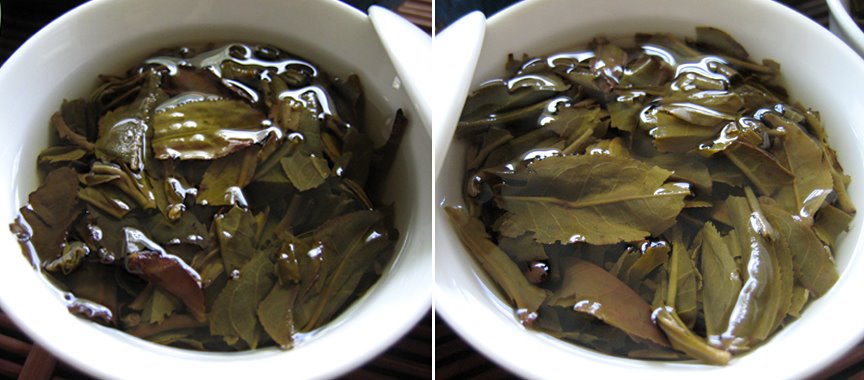
Left pic. medium grade vs. Right pic. 2nd grade pre-ming.

The competitor were 5 grades of Shi-Feng '06. Pricing from 250 US per pound to 100 US.
3 higher grades of Shi-Feng came directly from The Tea Institute in West lake, Hangzhou. 1 medium grade from Canton, and the last one from T-Gallery NY, which is also a medium grade.

Although the Institute's Shi-Feng on the right had the best appearance and top pricing, it lacked the strength and dropped out at 3rd infus.
The Left medium grade from T-Gallery had lesser appearance. Both grades maintain the same characteristic of Shi-Feng: Green bean, Roasted grain/corn, floral, light aroma of rice and sweet, clean, refreshing seaweed finishes. Left one out brewed the higher grade at least 2 steepings.

I am not a big green tea fan, but if I have the 3 months Spring green craving next year. I will go for the medium late harvest instead.


A Specimen from the Original 18 Dragon Well trees on Shi Feng Mountain. Picked back in '03 from a visit to West Lake.
Today, the price from these original trees are auction at $130 US per gram.

Friday, June 09, 2006

Kung Fu Red


Tasting 2 Kung Fu Reds. 1st grade, Yixing Red, 3rd of March '06 Harvest vs. Pre-Ming Keemun super fine '05.

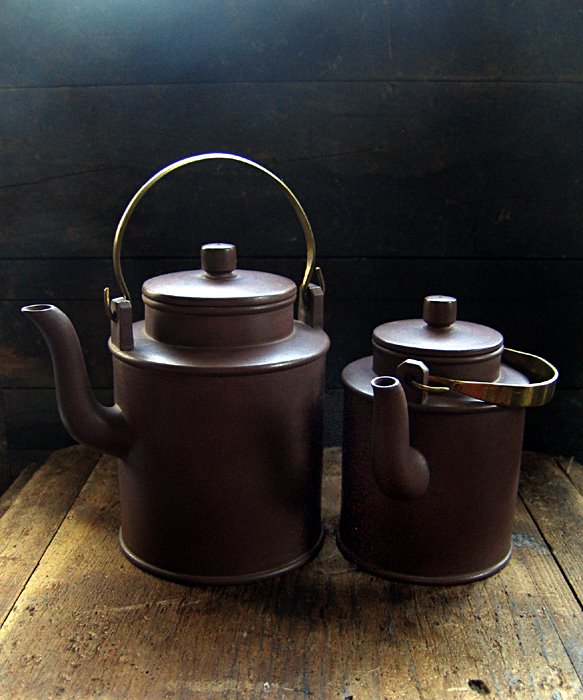
Using a 450ml Yixing Kung Fu Red Pot. A very generous gift from Master Jiang Meihua for visiting her studio last Fall.

Yixing Red is a day-to-day tea for most potters in Yixing, beside cooked puerh. The leaf size is similar to a Wuyi Shui Xian, so most of the local pots are larger with thicker wall, around 350-500ml for half-a-day brewing.

Wednesday, June 07, 2006

A Trophy from Kumming last year.


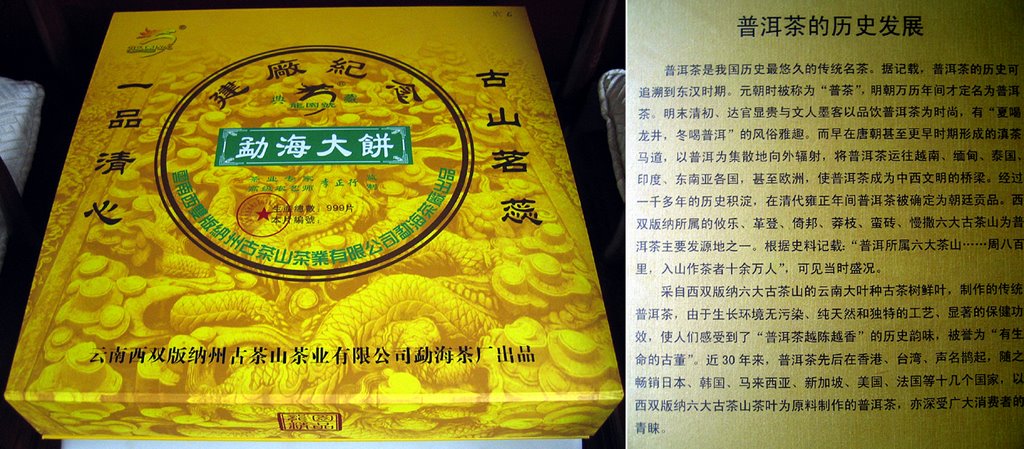
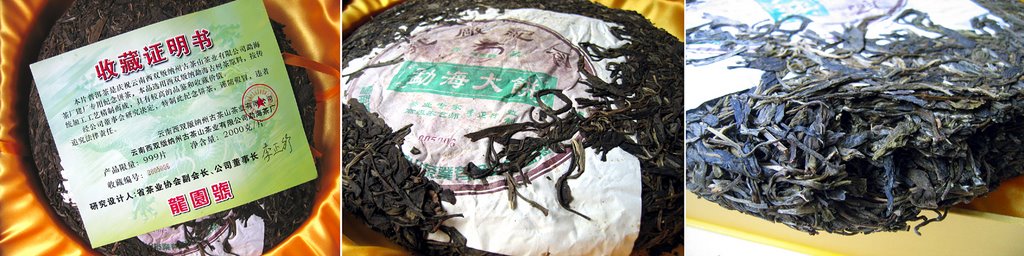
A 2005 Menghai Factory Est. Anniversary cake. Hand made 2000g beeng / Limited 999 Special Edition.

Infusion Parameters:
7g to 250ml.
6g to 180ml.
5g to 150ml.
instant rinse, 40s rests.
5s, 10s, 20s, 20s, 30s, 30s, 30s, 40s, 50s, 60s...
rest after 7th infus. for 3 mins.

Tuesday, June 06, 2006

Some of my Tuition....


This was the worst cooked puerh I could get my hands on! The brew was cloudy and bitter.
Sacrificing my rose trying to improve the liquor, things you should never do...what a mess!

Saturday, June 03, 2006

Too Much Rain in NY!


It's been pouring non-stop for 2 days! Well, at least my roses and peonies are blossoming. Shall I harvest to put into my puerh or let them have their natural glorious death....

Melon in a Pamelo


Pomelo Puerh is a very Cantonese/Hong Kong thang. Since we are fascinated by exotic herbal ingredients and YingYang balancing in our food.

Aged Pomelo skin can cure indigestion to sore throat. Adding the benefit of cooked puerh, it can cure the Worst Hangover and The Five pounds Nova Scotia lobster still sitting in my stomach....

A before photo of my 15-year-old Pomelo melon which I had to sacrifice this morning.

Friday, June 02, 2006

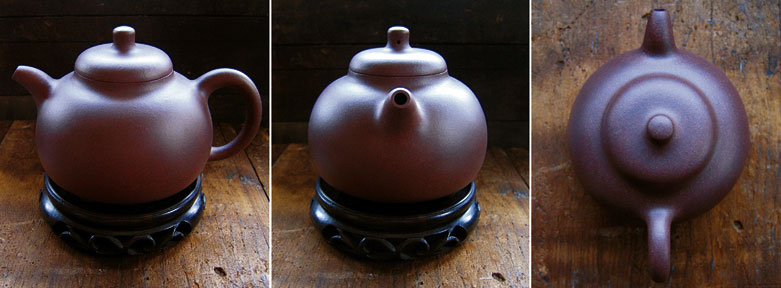
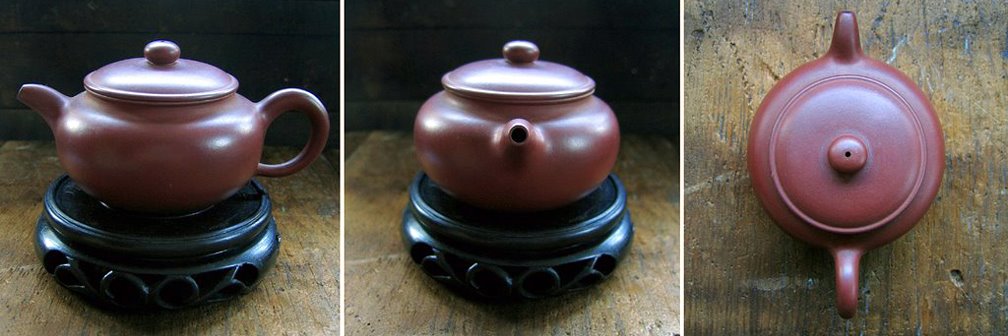
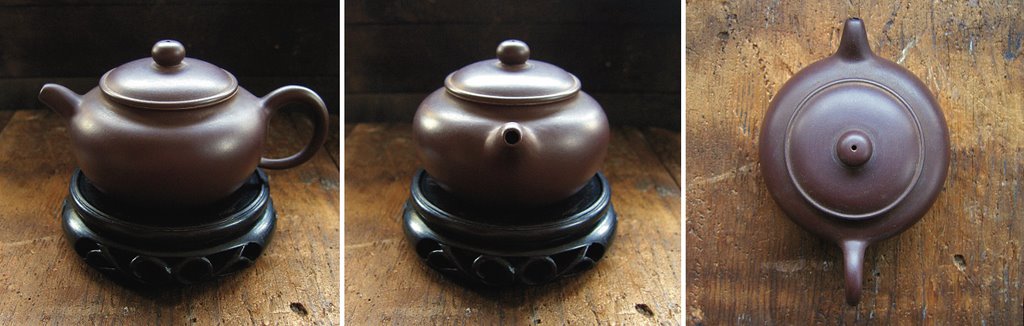
A Tale of Two Pots


In the past, Shui Xian family was most popular among older generations in Chaozhou, Fujian and Hong Kong. Since this tea is mostly roasted, the "greener" properties which create problems in elderly health are dramatically reduced. Nowadays, younger generations are more trends oriented towards the lighter, more fragrance oolong in these regions.

For Shui Xian to fully unfurled, the shape of the Yixing and it's lid-footing's height is very important.
Because of the larger leaves size and shape. Pot should be wider in body, shorter in height and have a larger opening. Longer footing creates a "pressing" function in the higher tea to water ratio among the more roasted group.

Medium roasted Shui Xian like Dan Cong should consider a thinner wall pot, since they are mostly more delicate. Heavier SX like Tie Luo Han or High Fire Chaozhou's SX should use thicker wall, almost like Cantonese TGI: http://chadao.blogspot.com/2006/04/yixing-pot-old-and-new.html. This solely depends on different level of roasting, the quality of the specimen and most importantly, the person's taste.

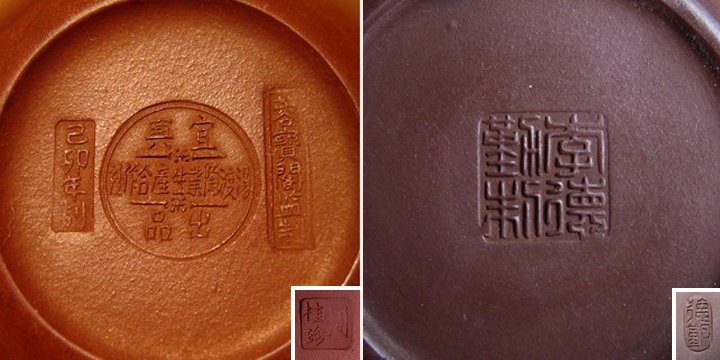
Top is thinner wall, short lid's footing pot for my Dan Cong. Bottom is my thicker wall, long lid's footing pot for aged/high roasted SX. They both have been serving me over 8 years.

Wednesday, May 31, 2006

Song Dynasty Dan Cong


Dan Cong is a specimen of the Shui Xian family in the category of Oolong, produce in Feng Huang Shan, Chaozhou, Guangdong Province. The dry leaves are usually rolled into long needle form. From my understanding, Shui Xian (water fairy) family includes: Da Houg Pao, Dan Cong and Tie Luo Han among others.

The origin of Dan Cong is made of leaves of the famous Song dynasty trees growing on the top of Wu Dong mountain, near the Wu Dong cave.

This is last year Wu Dong Peak, Song Zhong Dan Cong. Told to be made from tea of several hundred year old bushes. Besttea.com, Teahub and http://teemann.blogspot.com/2005/11/phoenix-chronicles-part-1.html
have very good info on this tea.

Monday, May 29, 2006

Old Shui Xian and it's Company


A 26 years vintage "water fairy" oolong, from Wuyi's "heaven's heart" cliff. How poetic....
Tastes like Mou Tai wine for some reason!? (no joke). Companying with a 150 ml "Shui Xian" pot, a very old friend.

8582 to 8582


Promised a friend in Boston to do a 8582 finale today.
So I dug up my remaining 25g early this morning to let it breath for 10 hrs. (the first production of this blend was recorded within 1980 to 1985)

Here are the infus 1 to 11, using a 50ml pot for 4g tea.
3 ranges of boils, Poland Spring water:
fish eye water.*
shrimp eye water.**
shrimp eye with 1 shot of cold water.***

Dry leaves in heated pot:
Woody, dry bamboo, dry shitake, sweet aroma.

Instant Rinse sit 2 mins. water*
Complex Woody, camphor, linen, leather and full.

I am going to combine both aroma and flavor together. It's hard to break this down with this kind of tea....

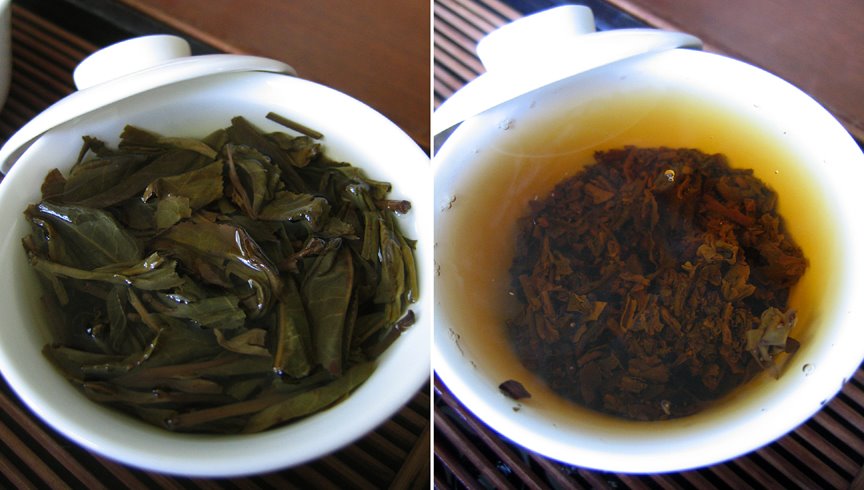
1 INFUS. 10 sec. water** (left pic. top cup)
Liquor color: Burnt Amber / Clear / Gloss
Bitter sweet, woody and I am saying Lots of Wood, on flavor and nose! Camphor, dry mouth and thick, not so balanced.
Very active, but not astringency, strong palate, numbing lips and tongue. Cranky!

2 INFUS. 15 sec. water** (left pic. bottom cup)
Liquor color: Burnt Amber / Clearer / Gloss
Still bitter sweet, corky, little bite on the palate. Minerals / metallic / talc. Still very woody and camphor.
Aftertaste is too complex to break-down yet, sweet and hint of sour and mint.

I am using 15sec instead of instant or 5-10 sec steeping, because I am familiar with this tea.
This way, I get more complexity and multi-dimension to the first 5. I find this best to test the changing of it's character thru aging, this method burns me with a deeper memory.

3 INFUS. 15 sec. water**
Liquor same till the 5th.
Talc! Old time grandma's cosmetic foundation! Bitter sweet chocolate, still camphor with more bite. Clean and clear, hint of mint finish (maybe this is the reason of breaking down the camphor characteristic). Numbing persisted.
I am loving this brew. Complex and Nostalgic. Full (dense) and Alluring. Liquor has good legs / tears.

4 INFUS. 10 sec. water**
Powerful. Minerals / Talc, pronounced sweetness overall in mouth-feel and aftertaste. Bitterness gone. Very alluring because it's mellowing down.

5 INFUS. 30 sec. water**
Liquor color: Golden Amber / Clear / Oily
The tea is in the stage of recovery. My motion at slow, entering the stage of calm and peace. Numbing affected the mouth thru the throat. Sweetness lingers from the back to the front. Mucus forming from the back of throat. Breaking little sweat.

I called this "Calm before the storm." Good puerh tends to have a stage of retreat around 5-8 infus. Tranquil but alluring.
Drinking way too fast! Have to pace myself better! Resting for 10 mins before moving on.

6 INFUS. 45 sec. water***
Liquor color: Golden dark Amber
No more legs. Fresh, fruits, hint of dry plum, floral. Hint of talc turned perfume. Much more fragrance. Medium oolong bouquet and finish.

7 INFUS. 45 sec. water**
Liquor color: Golden Amber
Aftertaste overwhelmed with sweetness. Sign of a dying oolong with the oily finish. Peach....? Cooked peach! Clean talc cosmetic reappeared!! Dry and brut in the beginning, then moisturizing the throat, mucus forming. Still numbing.

8 INFUS. 60 sec. water***
Liquor color: Light Amber
Fruits to Veggie! Spinach, Fresh Songyi mushroom, White bamboo shoot, Lotus seeds, (Yes, I am crazy!!) Talc. Clean, light woody and minty finishes.

9 INFUS. 60 sec. water***
Liquor color: Light Amber
Lying down to enjoy... way to mellow, calm and breaking sweat. Motivation of reporting heavy... enjoying the moment....
Lotus seed, lotus leaf, cosmetic talc, minty light camphor, kept coming....

10 INFUS. 75sec. water** (Right pic. top cup)
Liquor color: Medium Light Amber
Talc and Explosive sweetness, coating both breath and throat. Mineral fragrance, short but powerful. Dry finish then moisturize the mouth.
I think this temp is a bit high. Should go back to water***, it created the oily taste, over cooked.... Still clean finish, but minty gone, camphor gone, woody gone.

Anyone getting sick of this yet!? I am going to cold brew this after the 11th. for a couple of hrs. At this stage drinking this cool is The Mandarin's way : )

11 INFUS. 90sec. water*** (Right pic. bottom cup)
Lotus is back! This are a handful of puerhs I'd encountered with lotus bouquet and flavor. I prefer this over the aged / pickled plum. Much more elegant and refined. Sweetness and numbing persisted. I am predicting the talc going to come back in a different way.

Overall, a challenging tea. Not elegant as introduction in the first 3 infusions. Lively and Cranky. Surely will show bite-marks if handle carelessly. Surprising personality. Very wholesome and pleasurable. It's a great paring with my Epicure No.2 1997, Hoyo de Monterrey.

The robust complexity of this 80's cake reminds me of my other 80's brick from same Factory #2. Will post the comparison in the future. http://themandarinstea.blogspot.com/2006/05/600g-80s-menghai-factory-brick.html

12 hrs later....

This is the 18th infus. After a couple more heated steepings last night and a cool brew sitting overnight. I transfered them to a larger gaiwan. Using a "traditional Yunnan high mountain brewing" in short, NO BS. Hot water** tea in bowl. More water to tea ratio now. Some leaves have not fully unfurled (thanks Lawrence : ), dark green, brown and blackish to the stems, large and medium size leaves.

Winter Melon, Talc, floral, hint of bamboo, soft on the palate but thick on the throat.

Finally I find the true talc flavor: This is a floral talc, perfumed powder cosmetic talc with peony bouquet! And where is my lotus?

I am going to end this, I believe everyone including me had enough....

Saturday, May 27, 2006

Between NANNOU and YIWU


It's merely a 2 hrs drive between Nannou and Yiwu. But the direction of agriculture has taken a very different turn.

Lining the hills is not tea but RUBBER! Because of the fast growing rate / profit margin of rubber, plus the changing economy in Malaysia and Indonesia. Farmers are growing rubber instead of tea in these region, forcing old tea plantations to be re-planed.

Rubber plantation on the left. (Looks like tea to me in the beginning).

Wild Bamboo forest in Yiwu, which contributes to the bamboo character in the tea and usage of packing with its leaves.

Middle bottom is "Coal". It is still the main energy source, so as the source of smoky flavor. (Just my option in some cases).

Finally, the famous / infamous camphor... the trunk in the middle. Most of the younger tea plantations have no "Wild habitat" surrounding the tea, so you just add some...
 
Creative Commons License
This work is licensed under a Creative Commons Attribution-Noncommercial-No Derivative Works 3.0 United States License.